From Energy Consumer to Energy Strategist: A New Approach for Modern Factories
Published at - September 30, 2026
For decades, factories have largely viewed energy as a necessary operating expense—something to purchase, consume, and manage when costs increase.
But modern manufacturing is changing that approach.
With rising pressure on operating costs, growing sustainability expectations, and the need for more resilient energy systems, factories are beginning to look at energy differently.
Instead of asking only “How much energy are we consuming?”, forward-looking businesses are asking:
“How can we manage energy more strategically to improve our business?”
This shift—from being an energy consumer to becoming an energy strategist—can help manufacturers take greater control over energy costs, renewable energy adoption, operational resilience, and long-term sustainability.
What Does It Mean to Become an Energy Strategist?
An energy consumer primarily focuses on purchasing enough electricity to keep production running.
An energy strategist looks at the complete picture.
This includes understanding where energy is being consumed, when it is being consumed, how much it costs, where efficiency can be improved, and how renewable energy can be integrated into the factory’s operations.
A strategic energy approach considers:
- Energy consumption patterns
- Electricity costs
- Production requirements
- Rooftop solar potential
- Energy efficiency opportunities
- Backup and resilience requirements
- Monitoring and performance
- Long-term sustainability goals
The objective is not simply to consume less energy. It is to manage energy more intelligently.
Start With Understanding How the Factory Uses Energy
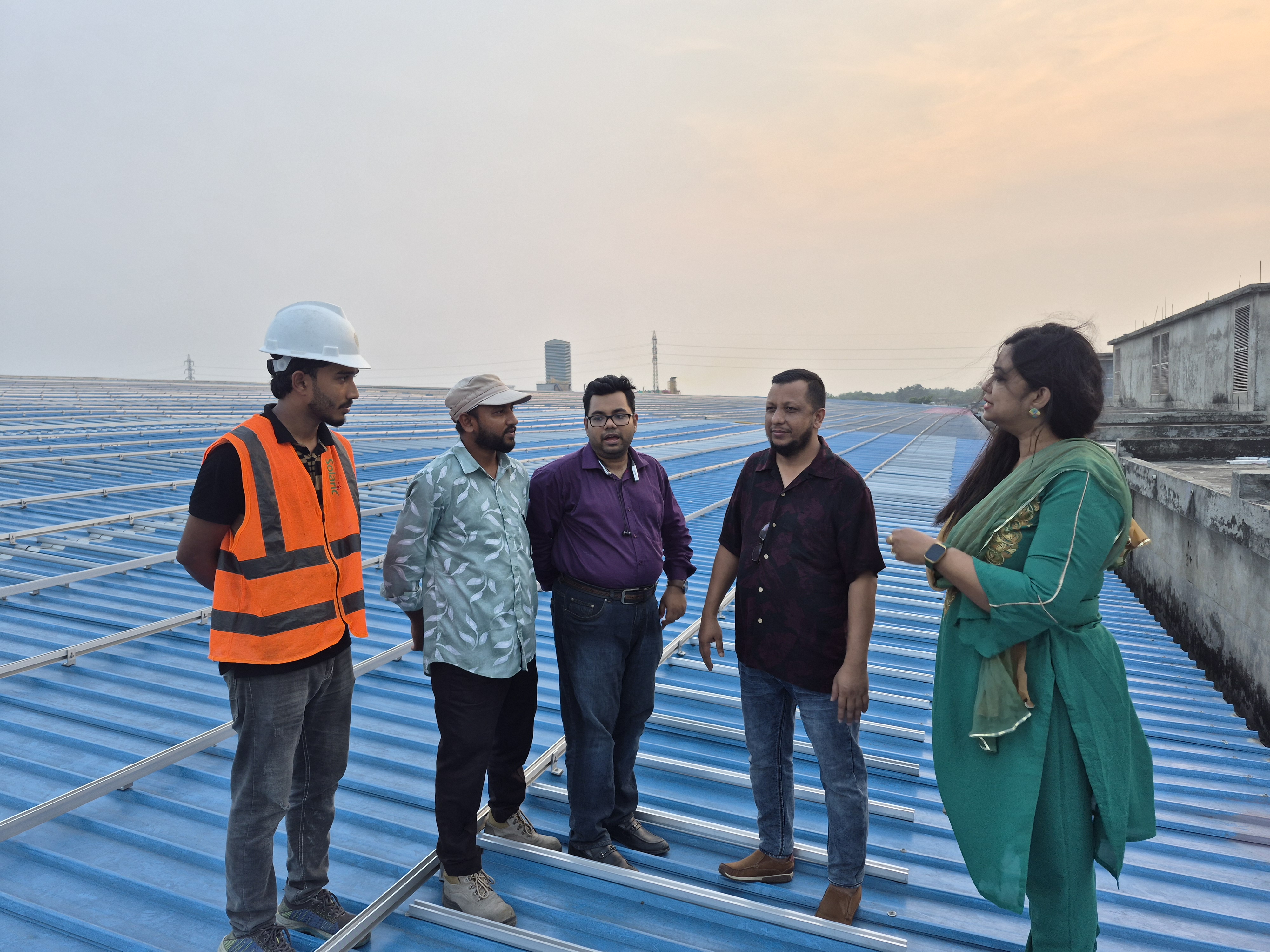
A strong energy strategy begins with visibility.
Factories operate complex production systems where different machines, processes, buildings, and utilities can have very different energy requirements.
Without understanding these consumption patterns, it becomes difficult to identify where the greatest opportunities exist.
From Energy Bills to Energy Intelligence
Traditional energy management often starts with monthly electricity bills.
A more strategic approach looks deeper into consumption patterns and operational requirements. Understanding when energy demand is highest, which processes consume the most electricity, and how consumption changes during production cycles can help businesses identify opportunities for efficiency and renewable energy integration.
This information can also support better decisions about solar system sizing and future energy investments.
Use the Factory Rooftop as an Energy Asset
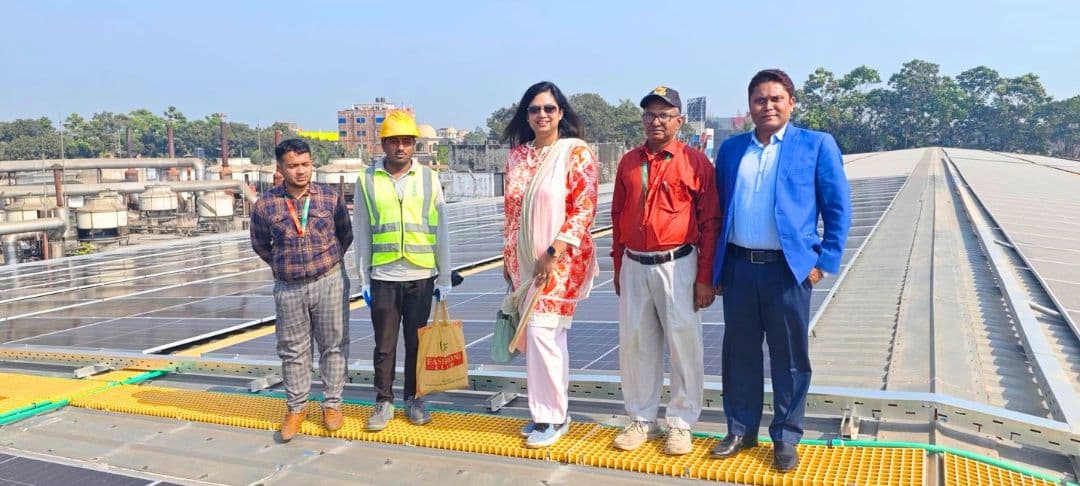
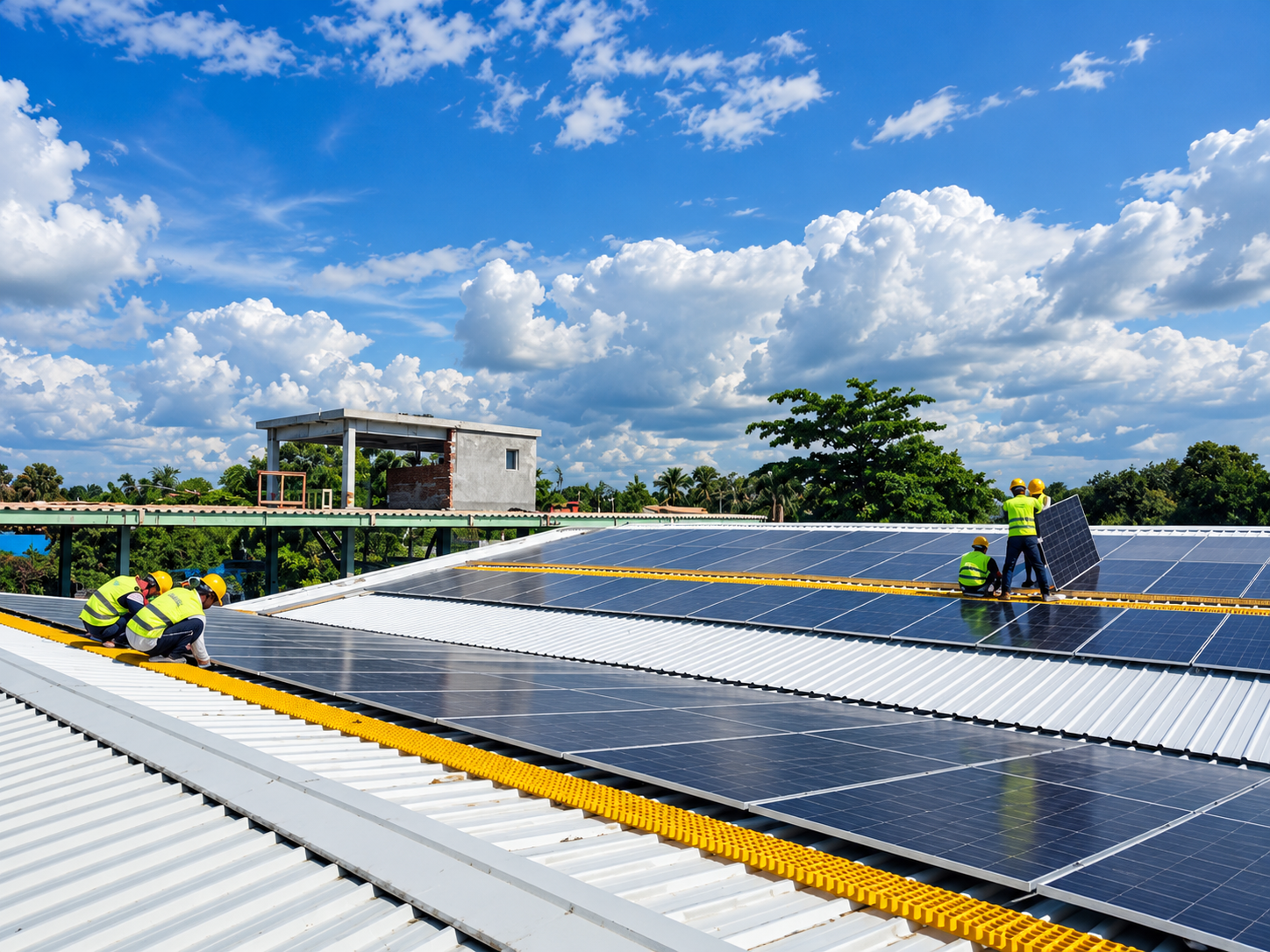
For many industrial businesses, the factory rooftop is more than unused structural space. It can become part of the company's energy infrastructure.
For factories with suitable rooftops and daytime electricity demand, rooftop solar can help generate clean electricity close to the point of consumption.
Solar as Part of an Energy Strategy
The strategic value of solar is not simply the installation of photovoltaic panels.
The bigger opportunity is to integrate solar into the factory's overall energy planning.
Businesses can evaluate different approaches based on their financial and operational requirements, including CapEx and OpEx/RESCO models. Solaric has experience delivering rooftop solar projects under both models for industrial and commercial clients.
This allows companies to consider renewable energy as part of a long-term energy strategy rather than treating it as a standalone project.
Move From Cost Reduction to Energy Cost Management

Reducing energy costs is important, but strategic energy management goes one step further. It focuses on making energy costs more predictable and manageable over time.
Solar can contribute by generating electricity from an on-site renewable source, while energy efficiency measures can help reduce unnecessary consumption.
The combination can create a more structured approach to managing the factory's overall energy expenditure.
For industrial businesses, this can be particularly valuable when energy represents a significant portion of operating costs.
Build a More Resilient Energy System
A modern factory needs more than affordable energy. It needs dependable energy.
Production interruptions can affect manufacturing schedules, machinery, labour utilization, delivery commitments, and customer relationships.
This makes energy resilience an important part of strategic planning.
Think Beyond a Single Energy Source
A strategic energy approach considers how different technologies and energy sources can work together.
Depending on the factory's requirements, this may include:
- Grid electricity
- Rooftop solar
- Energy-efficient equipment
- Backup generation
- Battery energy storage
- Energy monitoring systems
The goal is to create an energy ecosystem that supports the operational needs of the business. As renewable energy adoption expands, technologies such as solar and battery energy storage systems (BESS) can also become part of broader industrial energy strategies.
Use Monitoring to Turn Data Into Better Decisions
Installing an energy system is only one part of the journey.
Factories also need to understand how their systems are performing.
Monitoring can provide valuable information about energy generation, consumption, system performance, and potential operational issues.
This creates a shift from simply owning an energy asset to actively managing it.
Solaric incorporates custom monitoring software and real-time performance tracking into its solar solutions, helping system owners maintain visibility over plant performance.
With better data, businesses can make more informed decisions about maintenance, performance optimization, and future energy investments.
Connect Energy Strategy With Sustainability Goals

Energy management and sustainability are becoming increasingly connected.
For modern manufacturers, reducing energy costs and reducing environmental impact can work toward the same strategic objective.
Solar energy can reduce dependence on conventional electricity and support lower-carbon industrial operations. This is particularly relevant for export-oriented industries where sustainability performance is becoming an increasingly important part of global supply-chain expectations.
Renewable energy can therefore support both business efficiency and environmental objectives.
Why Solaric for a Strategic Energy Approach?
Moving from energy consumption to strategic energy management requires more than individual technologies. It requires proper planning, engineering, implementation, and long-term performance management.
Solaric provides turnkey solar solutions covering design, engineering, procurement, customs clearance, installation, grid connection, commissioning, and maintenance. The company has completed 85+ rooftop projects across Bangladesh,__ covering more than 1000+ industry roofs, with solutions delivered under both CapEx and OpEx/RESCO models.__
Solaric's experience also includes large-scale industrial projects, including the 52 MWp rooftop solar installation for YoungOne Corporation at KEPZ, which generates around 75 GWh of green electricity annually and reduces more than 57,000 metric tons of CO₂ emissions each year.
Today, Solaric has 182+ MWp commissioned, 40+ MWp under development, and 85+ MWp operational projects, reflecting its continued focus on industrial and commercial renewable energy solutions.
For modern factories, this experience can support a more structured transition from simply consuming energy to planning, managing, and strategically using energy as a business asset.
Contact Solaric
The future of industrial energy management is not simply about using less electricity. It is about understanding energy better, managing it more intelligently, and integrating renewable energy into long-term business planning.
For factories looking to improve energy cost management, renewable energy adoption, operational resilience, and sustainability, a strategic energy approach can create value far beyond the monthly electricity bill.
If your factory is ready to move from being an energy consumer to an energy strategist, Solaric can help you explore the right renewable energy solution for your operations.
Contact Solaric
Phone: +880 1750-150251
Email: megaroof@solaricglobal.com
Website: www.solaricglobal.com